Vaginal steaming — also called yoni steaming or V-steaming — went from a little-known traditional practice to a globally recognized wellness topic practically overnight when Gwyneth Paltrow mentioned it on her GOOP website in 2015. The internet erupted. Gynecologists issued warnings. Wellness enthusiasts raved. And millions of women were left wondering: is this actually a thing?
Here's my honest answer: yes, it's a thing — a very old thing, in fact. Vaginal steaming has been used for centuries in traditional healing cultures across Central America, sub-Saharan Africa, and Asia. It's not a wellness fad invented by a celebrity lifestyle brand. But that doesn't mean every claim made about it holds up to scrutiny, and it doesn't mean it's appropriate for everyone. The truth, as usual, is more nuanced than either the hype or the backlash would suggest.
Let me walk you through what this practice actually is, where it comes from, what may be happening physiologically when you do it, what the real precautions are, and how to approach it safely if you choose to try it.
What Is Vaginal Steaming — And Where Does It Come From?
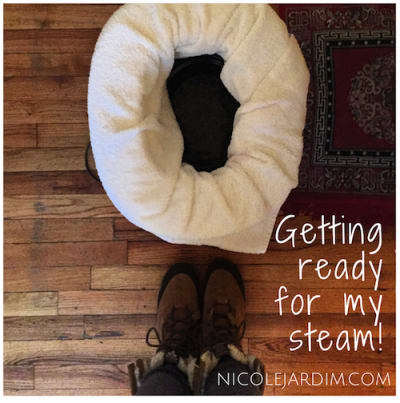
Vaginal steaming involves sitting or squatting over a bowl or pot of hot water steeped with herbs, allowing the warm, herb-infused steam to rise toward the vulva and vaginal opening. Sessions typically last 20 to 45 minutes. It is an external practice — the steam does not enter the uterus or reproductive tract, despite some of the more dramatic claims made about it.
The practice has deep roots in traditional medicine. In Mesoamerica, it has been used for centuries in Maya healing traditions as part of postpartum care and general reproductive wellness. In Korea, a similar practice called chai-yok has long been used to address menstrual irregularities and feminine hygiene. Across parts of sub-Saharan Africa, herbal steaming has been used for reproductive and pelvic health for generations. In many of these traditions, the practice is embedded in a larger framework of herbal medicine, community care, and cyclical awareness — not an isolated treatment, but one tool among many.
Traditional uses include supporting recovery after childbirth, easing menstrual cramps, addressing irregular periods, and supporting general uterine health. In some traditions, specific herbs are selected based on the individual's constitution and the specific issue being addressed — a nuance that gets lost in the modern wellness version of the practice.
What Proponents Believe It Does
Women who practice vaginal steaming regularly report a range of benefits. The most commonly cited include:
- Reduced menstrual cramping and pelvic discomfort
- Improved menstrual blood flow and color (less dark or brown blood)
- Shorter, more comfortable periods
- Emotional release and a sense of deep relaxation
- Support for postpartum healing
- Reduced symptoms associated with fibroids and endometriosis
- A greater felt sense of connection to the pelvic region
Some proponents also claim that vaginal steaming "cleanses the uterus," removes old stagnant blood, or detoxifies the reproductive organs. I want to address these claims directly, because they deserve a more careful look.
What the Evidence Does — and Doesn't — Support
Let me be clear about where I stand: there are no large randomized controlled trials on vaginal steaming. The evidence base is limited to traditional use, practitioner case reports, and a small but growing body of observational data. If you're looking for the kind of evidence that would satisfy a systematic review, it isn't there yet.
That said, absence of evidence is not evidence of absence. The fact that a practice hasn't been rigorously studied in a Western clinical setting does not mean it has no value. Most traditional medical practices predate the era of clinical trials by centuries, and many of them have subsequently been validated when researchers finally got around to studying them. Vaginal steaming has simply not been prioritized for research funding — which says more about research priorities than it does about the practice itself.
What I do take seriously are the plausible physiological mechanisms that may explain the reported benefits. And there are two worth discussing: gentle heat and pelvic circulation, and the properties of the herbs themselves.
Heat and Pelvic Blood Flow
Gentle warmth applied to the pelvic region is well established as a way to increase local circulation. This is why heating pads are recommended for menstrual cramps — heat relaxes smooth muscle, eases spasms, and brings fresh, oxygenated blood to the area. The warm steam from a vaginal steam acts on the external perineal and vulvar tissues in a similar way. Improved circulation in the pelvic region supports tissue healing, reduces inflammatory stagnation, and can ease cramping.
This is also the mechanism behind recommendations for abdominal massage and castor oil packs for pelvic health — they all work, in part, by increasing blood flow and reducing congestion in the pelvic bowl.
The Herbs Matter
The herbs used in a vaginal steam are not decorative. Many of them have well-documented anti-spasmodic, anti-inflammatory, and nervine (calming) properties. When these herbs are steeped in hot water and the steam rises, volatile aromatic compounds are released. While there is genuine debate about how much of these compounds are absorbed through the delicate perineal tissues versus simply inhaled, the relaxation response that many women report is real — and it has physiological correlates.
A relaxed nervous system activates the parasympathetic state, which in turn relaxes the pelvic floor musculature. For women dealing with endometriosis-related pelvic tension, overactive pelvic floor symptoms, or stress-related cramping, this neurological relaxation alone may account for a meaningful portion of the relief reported.
What I don't support are claims that vaginal steaming "cleanses" the uterus, removes toxins, or treats fibroids or endometriosis as a primary intervention. The uterus is a self-cleaning organ — it does not accumulate toxins that need to be steamed out. Brown blood at the start or end of a period is normal and does not indicate toxicity. And while the relaxation and circulation benefits may contribute to symptom relief in conditions like endometriosis or fibroids, steaming is not a treatment for those conditions and should never replace appropriate medical evaluation and care.
Herbs Commonly Used in Vaginal Steaming
Traditional practitioners use a wide range of herbs, often selecting them based on the individual's specific needs. Here are some of the most commonly used and their traditional purposes:
Many practitioners also use calendula (gentle and healing, especially postpartum), chamomile (anti-inflammatory and calming), and wormwood (a close relative of mugwort with similar properties). Pre-blended steam herb mixes are widely available if you prefer not to source individual herbs.
One important note: never use essential oils in a vaginal steam. Essential oils are highly concentrated — a single drop of essential oil contains the aromatic compounds of many pounds of plant material. The perineal and vulvar tissues are extremely sensitive and can be severely irritated or burned by essential oils in steam. Whole dried herbs only.
How to Do a Vaginal Steam at Home
If you've decided to try vaginal steaming and you don't fall into any of the contraindication categories below, here is a straightforward protocol for doing it safely at home.
Step 1: Gather Your Materials
- A medium-to-large pot or heat-safe bowl (stainless steel or ceramic, not aluminum)
- A blend of dried steam herbs — roughly 1 cup total (see herbs above, or use a pre-blended mix)
- Filtered water — about 8 cups
- A steam seat (a chair or stool with a hole cut in it, designed specifically for steaming) or a toilet with the seat raised and a bowl placed inside — OR simply squat or kneel over the bowl on a yoga mat or folded blanket
- A large blanket or towel to wrap around your waist and drape to the floor, trapping the steam
- A timer
Step 2: Prepare the Herbal Infusion
Bring the water to a boil, then add your dried herbs. Reduce heat and simmer for 5 to 10 minutes, then remove from heat. Allow the water to cool for 5 to 10 minutes before you begin steaming. This is an important step — steam that is too hot can burn sensitive tissue. You should be able to hold your hand 12 inches above the water comfortably before you sit over it.
Place the pot on the floor or on a low, stable surface. Set up your steam seat or squat position directly above the pot.
Step 3: Steam Safely
Remove your underwear and sit or squat directly over the steam with your clothing or a blanket draped around your waist and down to the floor to trap the warmth. The sensation should be comfortably warm — not hot, not stinging, and not intense. If it feels too hot, stand up immediately and wait a few more minutes before continuing.
Set a timer for 20 to 30 minutes for a standard session. Some practitioners recommend up to 45 minutes; I suggest starting shorter and seeing how your body responds.
Step 4: Rest Afterward
After your steam, dress warmly, keep the pelvic area warm, and rest if possible. Many women feel deeply relaxed afterward — this is normal and desirable. Drink a cup of warm herbal tea if you like. Avoid cold drafts, cold water, or vigorous activity for an hour or two afterward. Traditional practitioners emphasize keeping warm after steaming as part of the practice.
How often? Most practitioners recommend one to three times per month, outside of your menstrual period. Some women steam once per week in the weeks before their period if they are managing significant cramping or pelvic tension. Start with once and pay attention to how your body responds before increasing frequency.
Get your personalized hormonal health protocol
Take the free Hormone Health Assessment — 30 questions about your cycle, symptoms, and lifestyle — and receive a tailored action plan built for your body.
Take the Free Assessment →Important Precautions and Contraindications
Vaginal steaming is not appropriate for everyone, and some of these contraindications are serious. Please read this section carefully before proceeding.
Do Not Steam If You:
- Are pregnant or may be pregnant. Several of the herbs traditionally used in steam blends are emmenagogues (they stimulate uterine contractions) and can pose a serious risk during pregnancy. This is an absolute contraindication.
- Have an active infection — including bacterial vaginosis, a yeast infection, or any sexually transmitted infection. Heat and moisture can significantly worsen these conditions.
- Have an IUD. Steam heat may soften and slightly alter the position of an intrauterine device, which could affect its efficacy or cause complications. Consult your provider before steaming with any IUD in place.
- Are currently menstruating. Traditional guidance in most cultures recommends steaming only between periods, not during flow. Steam can increase blood flow and potentially intensify or alter bleeding.
- Have open wounds, stitches, or are in the immediate postpartum period with active healing. While some cultures use gentle steaming in postpartum care, this is done under the guidance of experienced traditional practitioners — not as a DIY practice with active healing tissue.
- Are experiencing an active endometriosis flare. During a flare, pelvic inflammation is already elevated. Adding heat may worsen symptoms temporarily. Steam only when you are between flares and feeling stable, and pay close attention to how your body responds.
- Have a prolapsed uterus, bladder, or rectum. Steaming is not recommended with any degree of pelvic organ prolapse.
Beyond the absolute contraindications, there are a few general safety rules that apply to everyone:
- Never use essential oils in a steam. The perineal tissues are mucous membrane — extremely absorbent and sensitive. Essential oils at steam concentration can cause chemical burns.
- Always test the temperature before sitting over the steam. Hold your hand or forearm 12 inches above the water for several seconds. It should feel pleasantly warm, not hot. If there is any doubt, wait longer.
- Never leave children or pets unattended near hot water during setup.
- If you experience any burning, unusual discharge, increased pain, or worsening symptoms after steaming, stop and consult a healthcare provider.
A Balanced Perspective
I think vaginal steaming occupies an interesting space in women's health — it's older than modern medicine, comes from multiple independent healing traditions, and involves mechanisms (heat, herbal aromatics, nervous system relaxation) that have at least plausible physiological bases. Many of my clients who incorporate steaming into their self-care report feeling more connected to their bodies, more aware of pelvic tension, and more at ease during their cycles. That's not nothing.
At the same time, I want to be honest: the "cleansing" and "detox" narratives that surround vaginal steaming in wellness culture are not supported by evidence and some of them are anatomically implausible. Your vagina and uterus do not need external cleansing. Your cervix is a very effective barrier. Steam does not reach the uterus. If anyone — wellness influencer, spa, or practitioner — is telling you that steaming will cure your fibroids, reverse your endometriosis, or flush toxins from your uterus, be skeptical.
What vaginal steaming may reasonably offer is a relaxing ritual that supports pelvic circulation, eases tension in the pelvic floor, and provides the benefits of warmth and herbal aromatics to a part of the body that often carries a great deal of stress and chronic tension. For some women, that's genuinely valuable — especially when integrated into a broader approach to hormonal and pelvic health that includes good nutrition, stress management, and appropriate medical care.
If you're working through pelvic pain, endometriosis, or menstrual cycle challenges, steaming is one of several complementary practices worth considering alongside castor oil packs, abdominal massage, and targeted nutritional support. None of these are substitutes for working with a qualified healthcare provider — they're additions to, not replacements for, a thoughtful care plan.