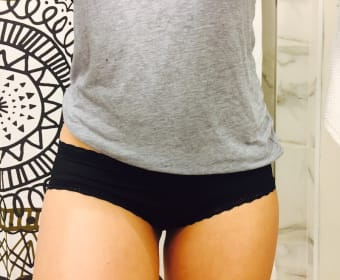
If you haven't tried period underwear yet, you're probably either skeptical (do they really work?) or overwhelmed by the options. I get it. When I first started recommending them to my clients, the market was much smaller and the quality was inconsistent. Fast forward to 2024-2025 and the category has matured considerably — but so has our understanding of what to look for and what to avoid.
The short version: period underwear can be a genuinely great option for managing your flow — comfortable, eco-friendly, cost-effective over time, and, when you choose the right brand, free of the toxic chemicals that have plagued conventional period products for decades. But not all pairs are created equal, and the PFAS scandal that hit the industry a few years ago is a reminder that "natural-looking" products can still carry hidden risks.
Let me walk you through exactly how they work, what to look for, and which brands I currently feel good about recommending.
How Period Underwear Actually Works
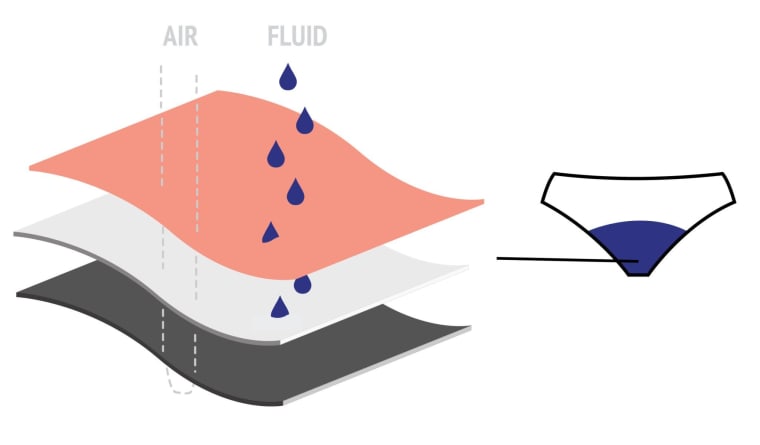
Period underwear looks and feels like regular underwear, but the gusset — the fabric panel that sits between your legs — contains multiple specialized layers designed to absorb, wick, and trap menstrual blood without leaking.
A well-constructed pair typically has three to four functional layers:
- A moisture-wicking top layer that pulls fluid away from your skin, keeping you feeling dry. Ideally this is made from organic cotton or bamboo rather than synthetic fibers.
- An absorbent middle layer that holds the fluid — often made from multiple layers of cotton, microfiber, or bamboo. This is where the absorbency capacity is determined.
- A leak-resistant outer layer that prevents fluid from reaching your clothing. This layer is where PFAS chemicals have historically been used (more on that below).
- An outer fabric shell that gives the underwear its look and feel — typically cotton, bamboo, or a cotton-spandex blend.
Depending on the brand and style, period underwear can absorb anywhere from one tampon-equivalent of fluid (light absorbency) to four or more (heavy/overnight). Higher-absorbency pairs are thicker in the gusset, lower-absorbency pairs are nearly indistinguishable from regular underwear.
Why Make the Switch? The Case Against Conventional Period Products
I've been talking about the problems with conventional pads and tampons for years, and the evidence base has only grown stronger. Here's why I think it's worth considering the switch:
Conventional products contain chemical residues
Standard tampons and pads are made from conventionally grown cotton, which is one of the most heavily pesticide-sprayed crops in the world. Residues from pesticides, herbicides (including glyphosate), and the bleaching process used to make cotton white have been detected in finished products. Your vaginal tissue is highly absorptive — more so than skin — which means these residues can enter your bloodstream directly.
Scented pads and tampons add another layer of concern: fragrance chemicals are a known source of endocrine-disrupting compounds, and applying them to your most sensitive tissue throughout your period years is not something I recommend.
The environmental math is significant
The average person uses somewhere between 5,000 and 15,000 disposable period products in their lifetime. Most end up in landfills or waterways. Period underwear, used alongside (or instead of) disposables, can meaningfully reduce that footprint over time. Most quality pairs last two to five years with proper care.
The cost over time
Quality period underwear costs between $15 and $45 per pair. A starter set of four to six pairs, sized to your flow, typically runs $80–$200. When you compare that to years of monthly disposable purchases, the math works in your favor relatively quickly — usually within six to twelve months.
The PFAS Problem: What You Need to Know Before You Buy
This is the part I want to spend some time on, because it fundamentally changed how I evaluate period underwear brands.
PFAS — per- and polyfluoroalkyl substances — are a class of thousands of synthetic chemicals used in industrial manufacturing. They're often called "forever chemicals" because they don't break down in the environment or in the human body. They've been linked to thyroid disruption, immune system suppression, and hormonal imbalances.
In 2020, independent testing revealed elevated levels of organic fluorine (a PFAS marker) in the gusset fabric of several popular period underwear brands. Thinx, which was at the time the best-known brand in the category, faced a class-action lawsuit over PFAS findings in their products and settled in 2023. Other brands were implicated in various studies as well.
The good news: the industry response has been significant. Many brands reformulated, third-party testing has become the norm rather than the exception, and several newer brands entered the market specifically positioning themselves on clean materials from the start.
When you're shopping, here's what to look for:
- PFAS-free certification or third-party testing — the brand should explicitly state this, ideally with documentation
- OEKO-TEX Standard 100 certification — this certification means the finished product has been tested for over 100 harmful substances, including many PFAS compounds
- Organic cotton gusset — the layer closest to your skin should ideally be certified organic cotton (GOTS or similar)
- Transparency about materials — brands that don't clearly disclose what their leak-proof layer is made from are a yellow flag
What Else to Look for When Choosing Period Underwear
Absorbency levels matched to your flow
Most brands offer light, moderate, heavy, and overnight options. Here's a rough guide:
- Light absorbency: 1–2 teaspoons of fluid — good for the last days of your period, spotting, or as backup with a cup or disc
- Moderate absorbency: 2–3 teaspoons — works well for average flow days
- Heavy absorbency: 3–5 teaspoons — for heavier days or if you have fibroids or heavy periods
- Overnight: 5+ teaspoons — wider coverage, maximum absorbency for nighttime use
If you have a particularly heavy flow — which is worth investigating with your provider, because consistently heavy periods can signal underlying issues like fibroids, adenomyosis, or a hormonal imbalance — period underwear alone may not be enough on your heaviest days. Many people use period underwear as backup alongside a menstrual cup or disc on those days, which is an excellent combination.
Fabric and fit
The outer shell fabric affects comfort and breathability. Organic cotton is the gold standard for breathability and the least likely to cause irritation. Bamboo fabric (TENCEL Lyocell from bamboo) is a popular alternative — it's soft, moisture-wicking, and sustainable. Avoid pairs with a high percentage of synthetic fibers (nylon, polyester) in the gusset area, as these can disrupt your vaginal pH and increase the risk of bacterial imbalances.
Fit matters more than you might expect. A pair that's too loose won't provide adequate protection; too tight and it'll be uncomfortable to wear for a full day. Many brands now offer inclusive sizing up to 4X or 5X, which is worth seeking out if standard sizing hasn't fit well for you in the past.
Care and longevity
Most period underwear should be rinsed in cold water before going in the washing machine — this prevents staining and extends the life of the absorbent layers. Machine wash cold, and air dry (or tumble dry low). High heat and fabric softeners are the two main things that degrade the absorbency over time. With proper care, a quality pair should last two to five years.
Current Brands I Recommend (2024–2025)
I want to be clear that this space changes quickly — brands reformulate, new certifications emerge, and independent testing sometimes reveals issues that weren't previously known. I revisit these recommendations regularly. The brands below have all been publicly transparent about PFAS testing or reformulation, hold relevant certifications, and have strong track records as of my most recent research.
Saalt
OEKO-TEX certified, PFAS-free verified, organic cotton gusset options, excellent range of absorbency levels and sizes. One of the most transparently sourced brands in the category.
Knickey
Made from GOTS-certified organic cotton throughout, PFAS-free. Knickey was built on clean materials from the start and is particularly good for anyone prone to bacterial vaginosis or yeast infections.
Modibodi
Australian brand with a strong track record, particularly well-known for their heavy and overnight styles. PFAS-free certified, broad size range, and good absorbency ratings across the lineup.
Bambody
Made primarily from bamboo fabric, OEKO-TEX certified, and significantly more affordable than many competitors. A good entry point if you're new to period underwear and not ready to invest heavily yet.
Proof
Formerly Thinx's sister brand, Proof has maintained strong third-party safety certifications. PFAS-free, OEKO-TEX Standard 100, available in a wide range of styles and absorbency levels.
Thinx
After the 2020-2023 PFAS controversy and reformulation, Thinx now publishes third-party safety testing results. If you're considering Thinx, look specifically for their post-2022 products and verify current certifications directly on their site.
A note on Thinx specifically: I include them because they remain one of the most widely available brands, they have reformulated, and their current products have passed third-party PFAS testing. That said, if you'd prefer to work with brands that were clean from the start, Knickey and Saalt are my top recommendations in that category.
How to Transition to Period Underwear
You don't have to go all-in immediately. Here's how I suggest most people approach the transition:
- Start with two or three pairs in different absorbency levels — one light, one moderate, and one heavy or overnight. Wear them during a full cycle to understand which you reach for and when.
- Use them as backup first — if you're nervous about leaks, start by wearing period underwear alongside your existing products. This builds confidence before going product-free.
- Track the learning curve — it usually takes one to two cycles to understand your flow well enough to match absorbency to your days reliably.
- Build your collection gradually — most people find four to six pairs covers a full period without needing to do laundry daily, but your rhythm will depend on your flow length and laundry habits.
If you have a particularly heavy flow, period underwear works extremely well in combination with a menstrual cup or disc. The underwear catches any overflow and gives you peace of mind on heavier days without needing to check as frequently.
Get your personalized hormonal health protocol
Take the free Hormone Health Assessment — 30 questions about your cycle, symptoms, and lifestyle — and receive a tailored action plan built for your body.
Take the Free Assessment →